Why I’m Running for CNV Council
I believe North Vancouver deserves a City Hall that earns trust — through accountability, transparency and practical leadership. Government doesn't create great communities on its own. People do. The job of City Hall is to create the conditions that help them succeed.
I've spent 40 years asking questions as a writer, broadcaster and teacher — and, more importantly, listening to the answers. That's not a critic's training. It's the training for finding the common ground in a room, for understanding why someone sees a problem differently, and for building the case that brings people along.
Here in our City, I have spent the last four years reading the budgets, decisions and plans closely, talking to folks on the street about these things that shape our daily lives. And I have published what I have learned on The North Shore with Jeremy Cato — my YouTube channel @thenorthshorewithjeremycato.
Take the $21M Harbour Swimming Deck. A major civic project normally moves in one order: demonstrated need, public discussion, detailed costing, then Council approval. This one moved in another: a donor proposed it, a confidential feasibility study followed, funding was assembled, the project was announced — and only then were residents invited to comment.
The donor did nothing wrong. But when the public is brought to the table last of all, it’s a courtesy, not meaningful consultation. And the operating costs stay on the tax bill long after the ribbon is cut.
At that point, covering this stopped feeling like enough. That's why I'm running.
One Vote of Seven
No councillor changes a city alone. A council is seven people, often with seven different views, and nothing gets built without persuading at least three of them.
I've spent years chairing the seven-member strata council of a 152-unit high-rise. The chair has no authority beyond the ability to persuade the people in the room — and you still have to work with those same people next month.
I'll be persistent about the things that matter, and respectful of the people who disagree with me. I'll bring evidence, not volume. And I'll work with anyone — on council, at City Hall, or in this community — who wants to make North Vancouver more vital.
That's how we get this done. Not me. Us.
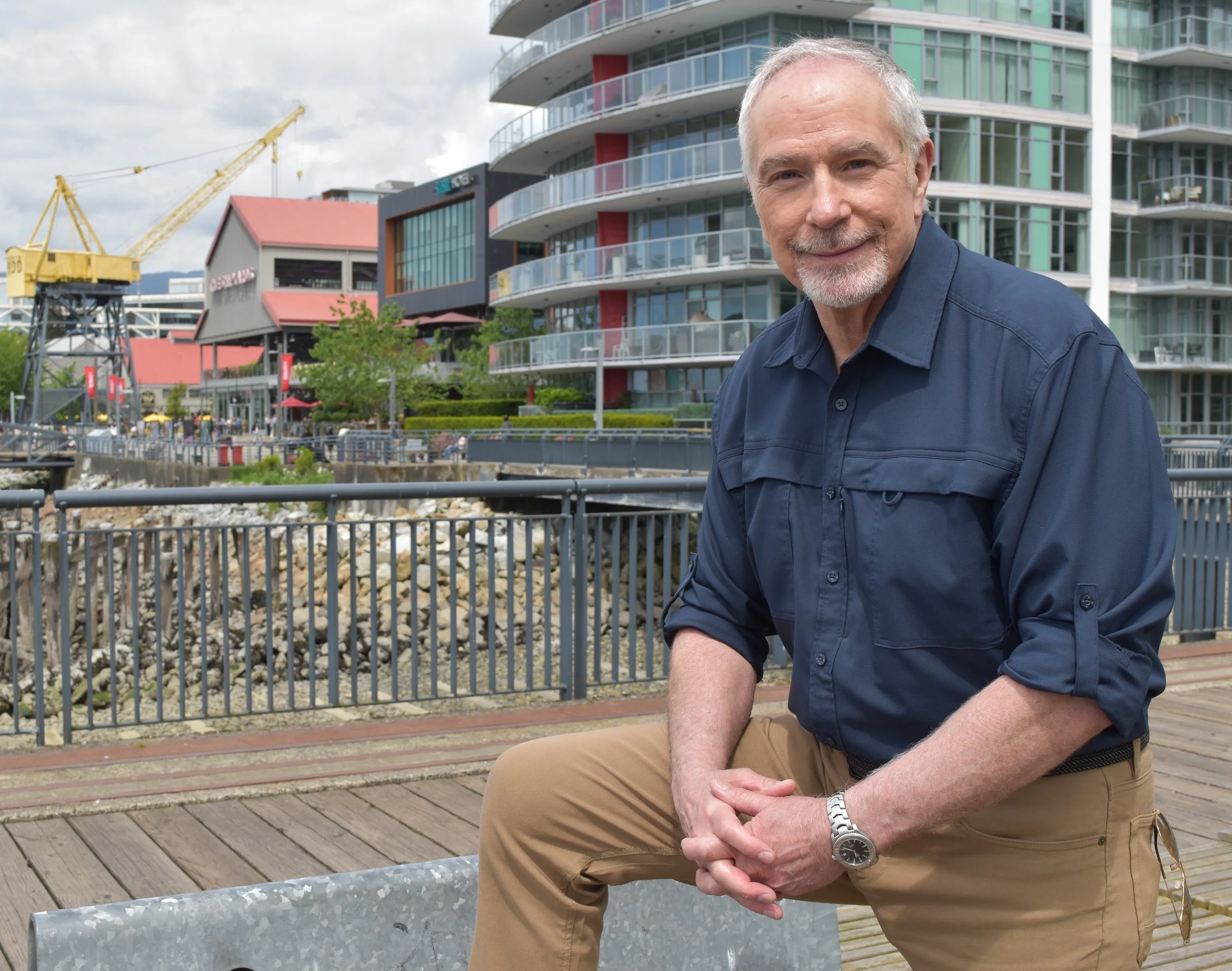
Jeremy Cato at The Shipyards
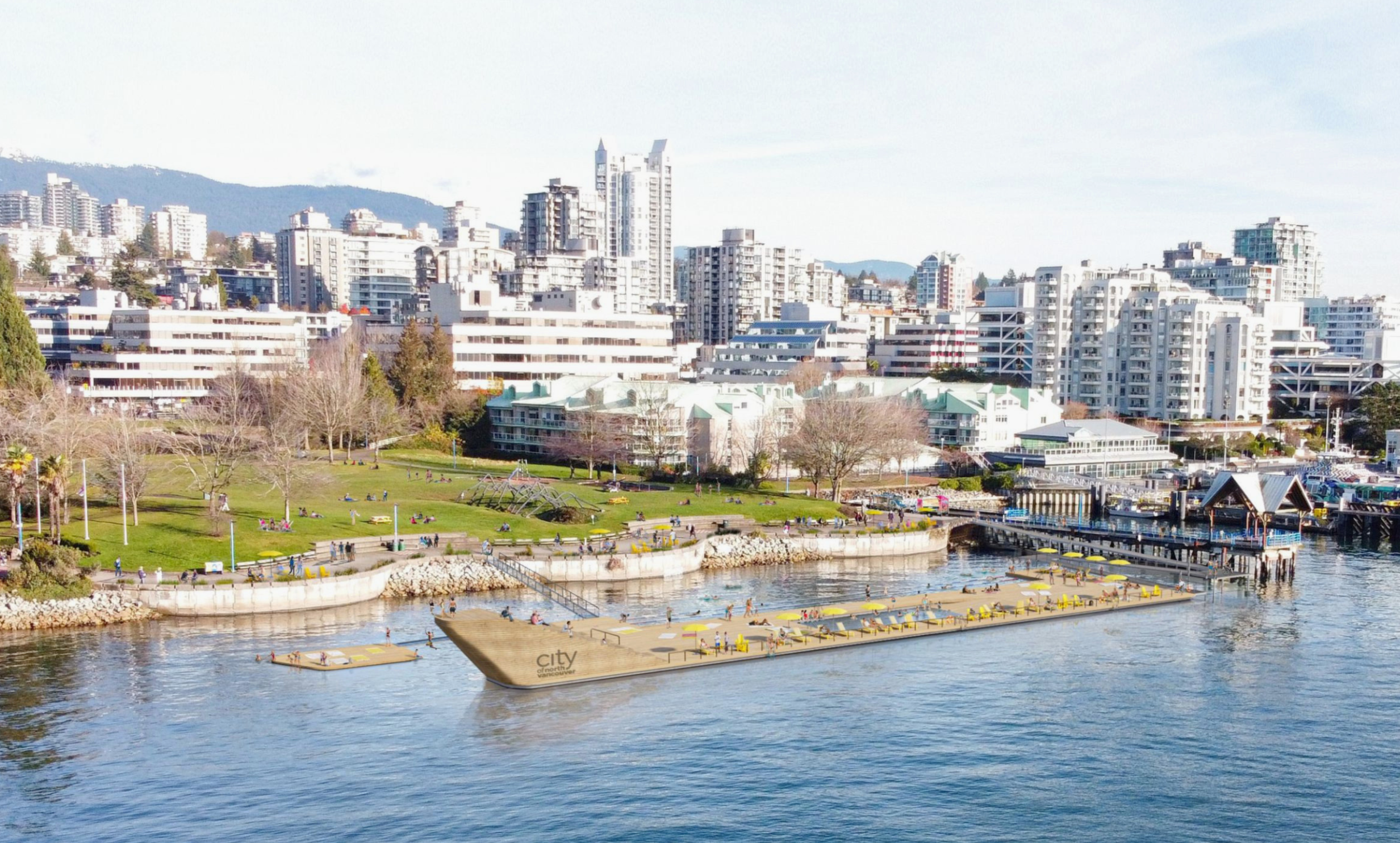
Early concept rendering showing what the Harbour Swimming Deck could look like from the sea, located off Waterfront Park. (For illustrative purposes. Source: CNV)
The Heartbeat of My Campaign
My belief in community, my commitment to it, starts on the street where I grew up — long before the campaign began, long before this critical Oct 17, 2026 election. I want to share this story because it tells you who I am.
I grew up on an ordinary street where families looked after each other — no program, no committee, just how you lived. Young, old and in between, we were a community. A fence came down in a storm and everyone on that street pitched in to put it back up. A family came home with a new car — say, a new Ford Mustang — and all of us on the block went over to enjoy that family’s moment. If someone hit hard times, the street joined in to offer whatever help and support they needed. That idea — that a city is just people who look after each other — is in my bones. And it’s the kind of city I still believe North Vancouver can be.
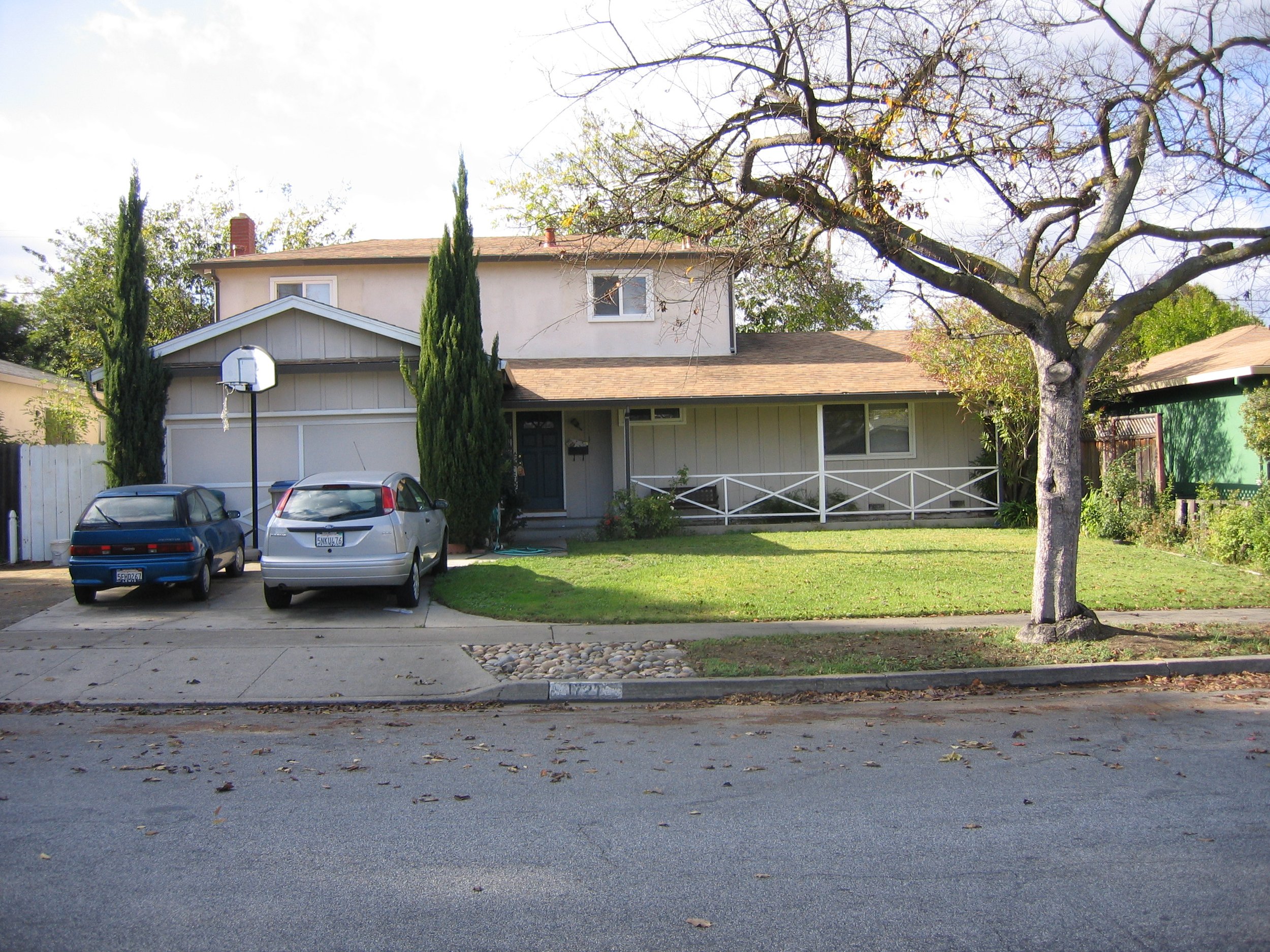
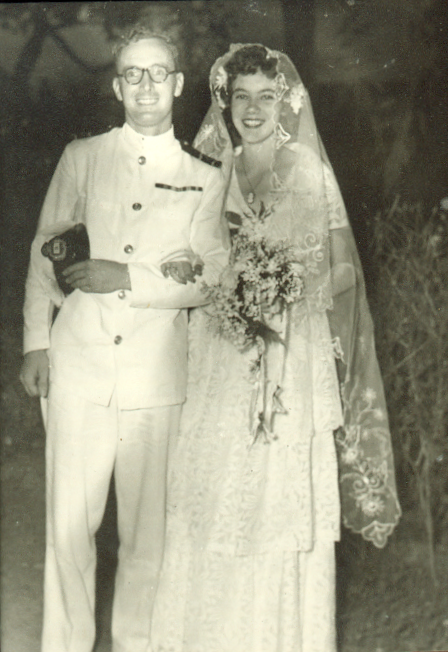
The house where I grew up and my parents on their wedding day. My dad, a WWII veteran, taught me a lot about duty, responsibility and family. My mother, fluently bilingual, grew up and attended school in two South American countries simultaneously. She brought culture and community into our home. Both preached the importance of education, hard work, an open mind and compassion.
Four Years of Paying Attention
I’ve spent the last four years digging into this city:
its finances
the future of the old ICBC site
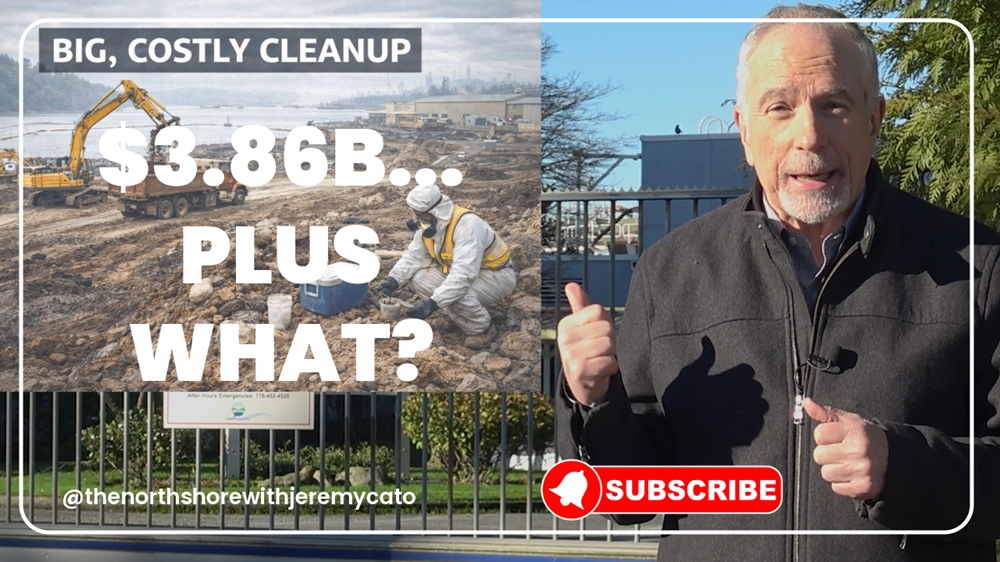
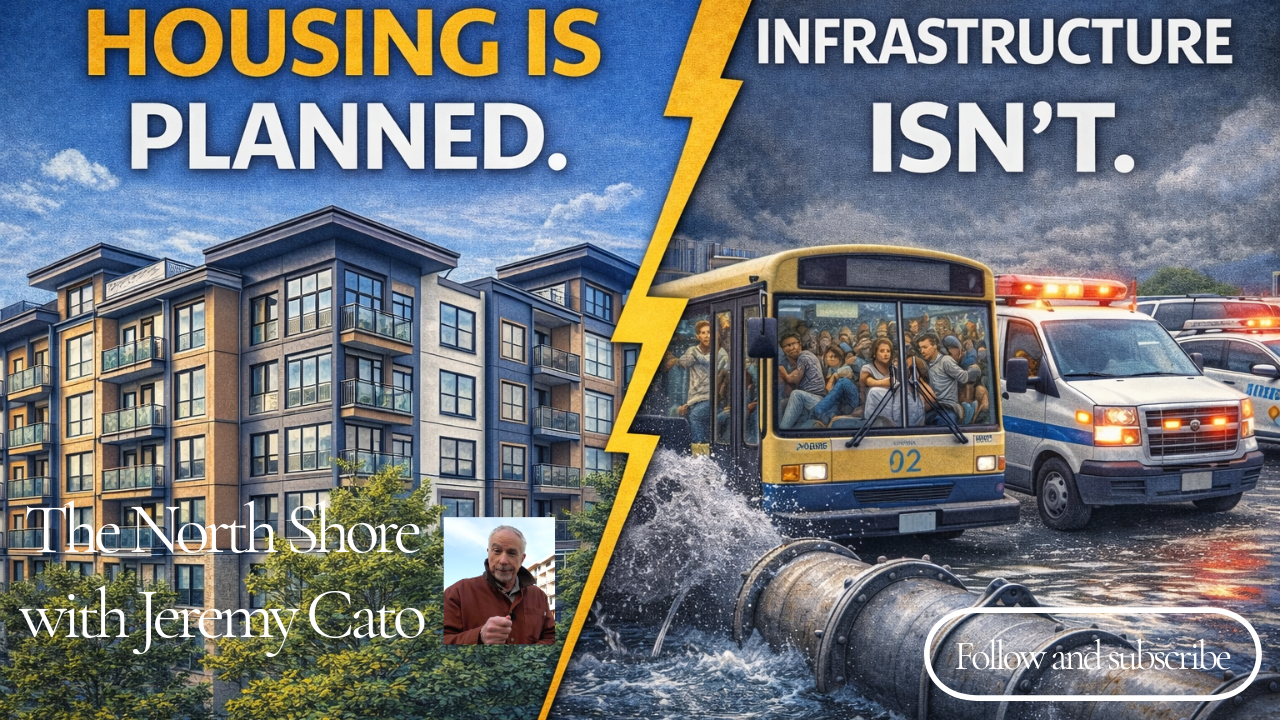
the mess that is the North Shore Wastewater Treatment Plant, which is costing City of North Vancouver residents and ratepayers hundreds of millions of dollars in soaring utility bills and rising taxes — not to mention the needed but deferred City infrastructure work, from water mains to sewage pipes and more
the so-called Great Street Project
the lack of green canopy in CNV
and so much more.
I’ve been telling these stories one at a time on The North Shore with Jeremy Cato (@thenorthshorewithjeremycato) because people deserve to know and understand the place where they live, the decisions that affect their lives, the choices city and regional officials have been making. The more I dig, the more I hit the same gap: between a city that looks after its own, and a City Hall that too often decides things before the public is in the room. Behind-closed-doors decision-making is too frequent and those “secret” choices need to be brought into the sunlight.
Why This Election Matters
The next four years are not ordinary years.
They may be the most important this council has faced in generations — and they all land at once:
A debt-servicing obligation of about $750 million, including our Metro obligations, to be managed better than it ever has been here. (Not all of it is city debt — the distinction matters, and I’m the one who can explain it.)
A new Official Community Plan, due by 2028, that will shape the city for decades.
The next phase of the Great Street project.
Parks and public-space decisions.
Real economic opportunities on sites like the old ICBC block.
Real threats to the livability of our city — including an affordability crisis that is driving our young people away.
Any one of those is a full term’s work. They are all landing together. This is no time to sleepwalk, to be complacent, to fall back on old ideas and ways of doing things.
Two Terms is Enough
I’m not here to build a career.
I believe two terms are enough for any public official — long enough to do the work, not so long you forget who you work for. I’m running to do this job, at this moment, and to leave North Vancouver more vital than I found it.
The City I Believe In
A city that looks after its own. The most vital city in Canada.
Cities don't exist for governments.
Governments exist for the people who live and work in cities.
I've spent the last few years researching what helps communities thrive—and why some succeed while others struggle.
The result is the Vital Cities Project. What is a Vital City? A city that helps the greatest number of people live safer, healthier, more prosperous and more connected lives — by making smart decisions with the resources it has. A Vital City helps more people, in more neighbourhoods, more often.
People Succeed in Vital Cities.
People Thrive in Vital Cities.
The role of City Hall is to help create the conditions in which people, businesses and neighbourhoods can succeed in— whatever that success is. Every decision City Hall makes shapes the present and the future, and those decisions make or break the Vital City in all these areas:
Housing.
Transportation.
Public and Green spaces.
Financial responsibility.
Safety.
Trust.